.webp&w=384&q=75)

Loading, please wait...
Loading, please wait...



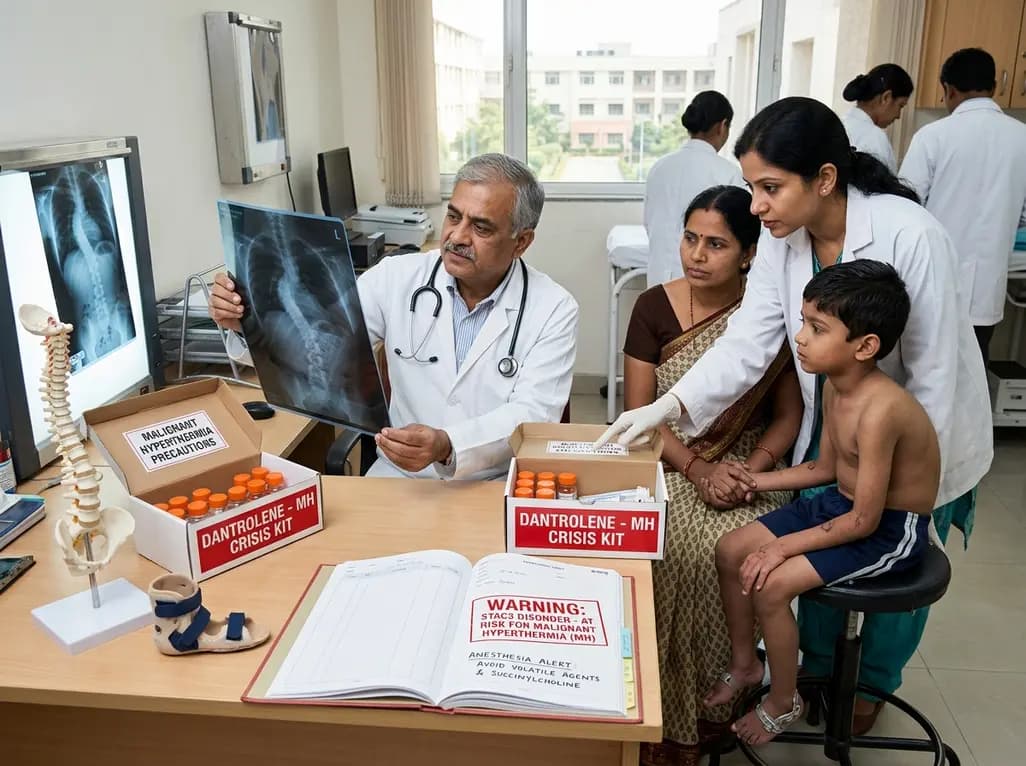


STAC3 disorder is a rare congenital myopathy causing scoliosis, hyperkyphosis, joint contractures, and clubfoot, along with malignant hyperthermia risk. Learn about the musculoskeletal phenotype and surgical implications.
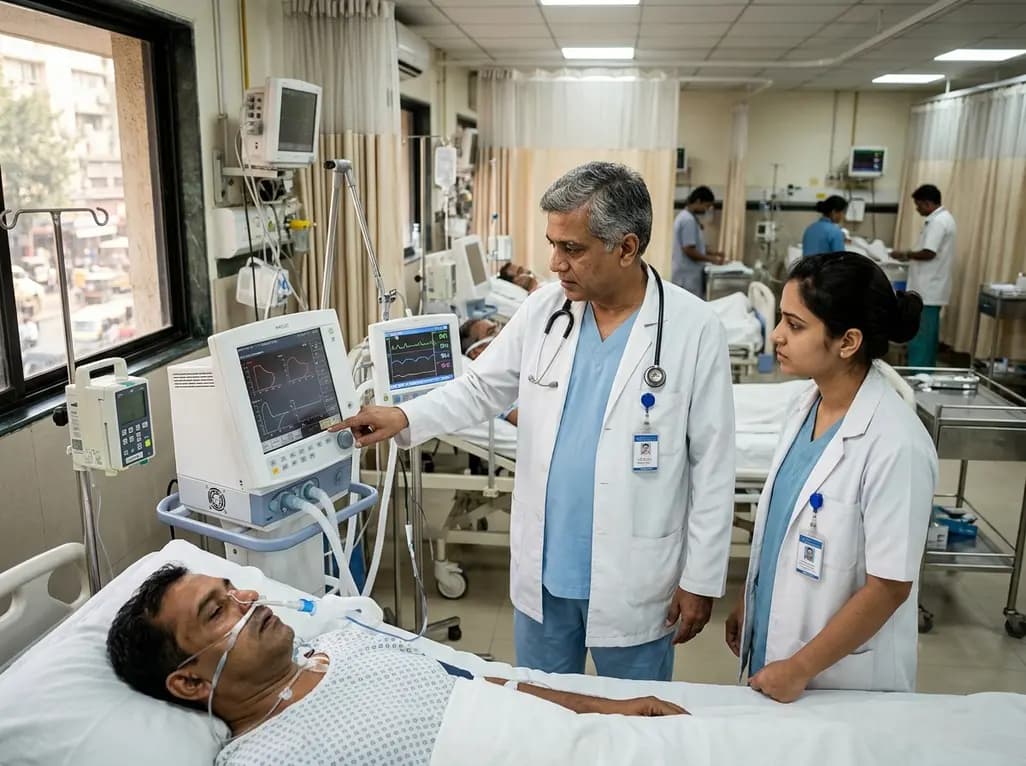
A study in mechanically ventilated patients reveals that elevated pleural pressures strongly correlate with airway collapse during inspiration (airway opening pressure) and expiration (expiratory flow limitation). Monitoring esophageal pressure helps optimize positive end-expiratory pressure titration.
This study explores how preoperative blood markers like NLR, PLR, and SII can predict postoperative pulmonary complications in CABG patients. By identifying high-risk individuals early, clinicians can optimize perioperative care and improve recovery outcomes in cardiac surgery.
New research highlights how specific capnographic changes, such as the chair-back morphology and alpha angle shifts, provide real-time insights into pulmonary perfusion impairment during thoracic surgery. This non-invasive method offers a vital monitoring tool for anesthesiologists and surgeons.
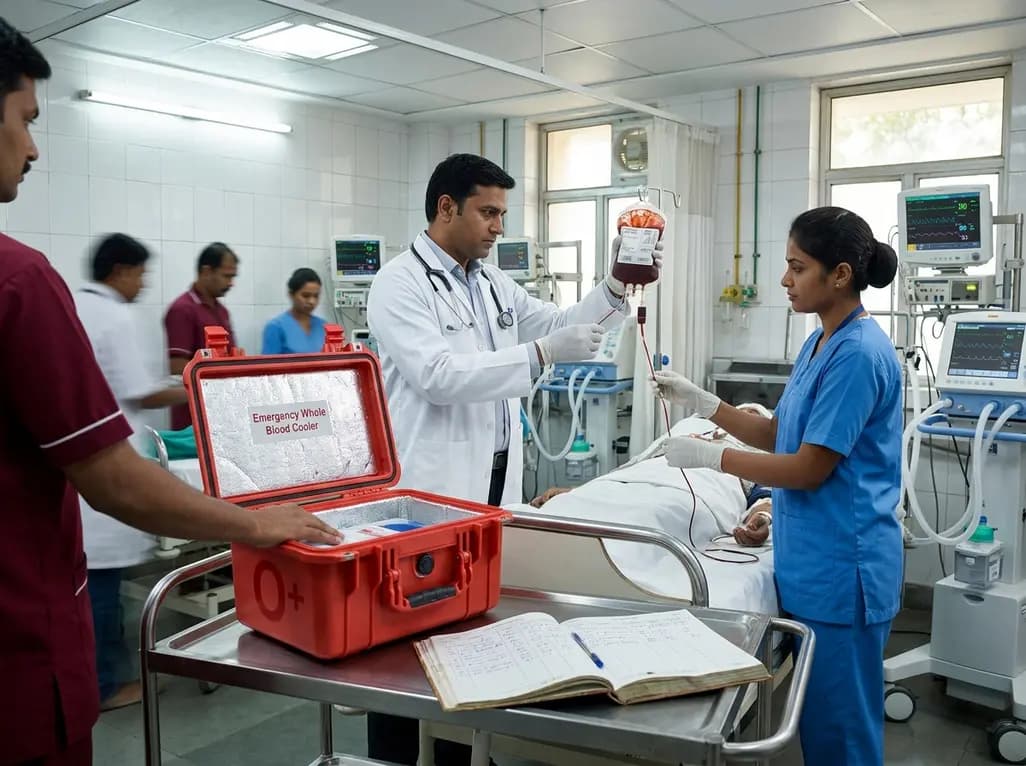
A retrospective study examines the utilization of low-titer group O whole blood (LTOWB) in a level 1 trauma center. While trauma remains the primary indication, the study reveals expanding use in non-trauma emergencies and emphasizes the critical role of operational logistics in maintaining high utilization.