.webp&w=384&q=75)

Loading, please wait...
Loading, please wait...


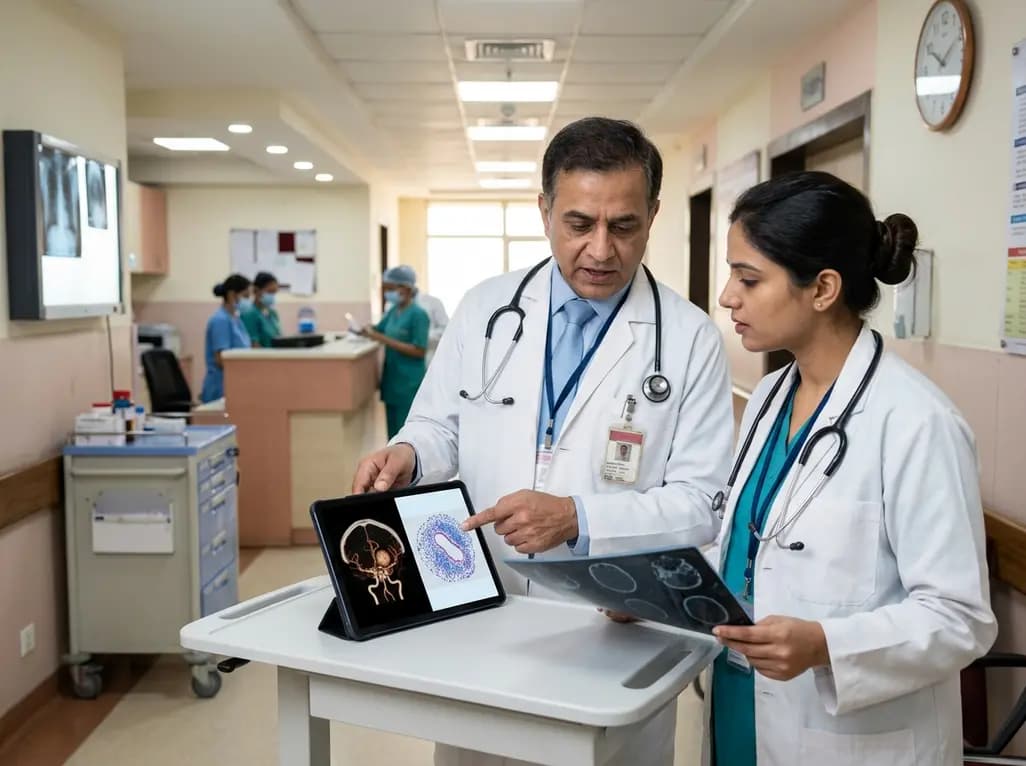


A breakthrough study identifies Tertiary Lymphoid Structures and CXCL13 T-follicular helper cells as central drivers of intracranial aneurysm progression and rupture risk, suggesting new pharmacological targets to prevent subarachnoid hemorrhage.
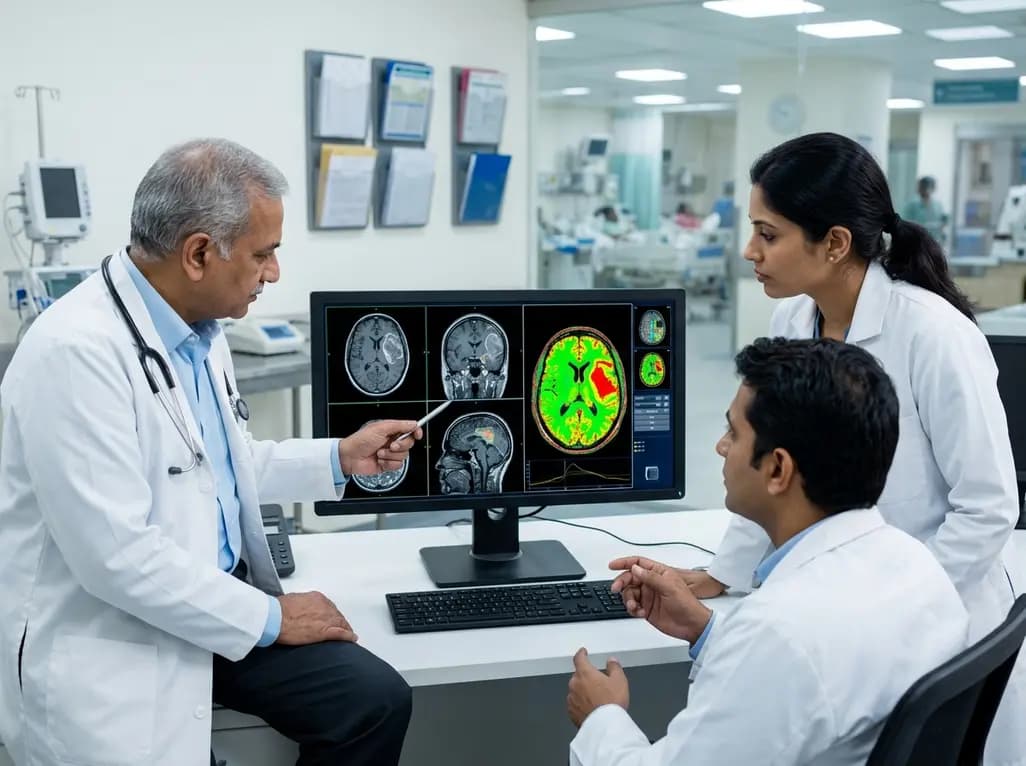
New research highlights how AI-driven multimodal PET-MR segmentation enhances glioblastoma management. By integrating FET-PET and MRI, clinicians can better distinguish recurrence from treatment-induced changes, leading to more precise radiotherapy planning and improved patient monitoring.
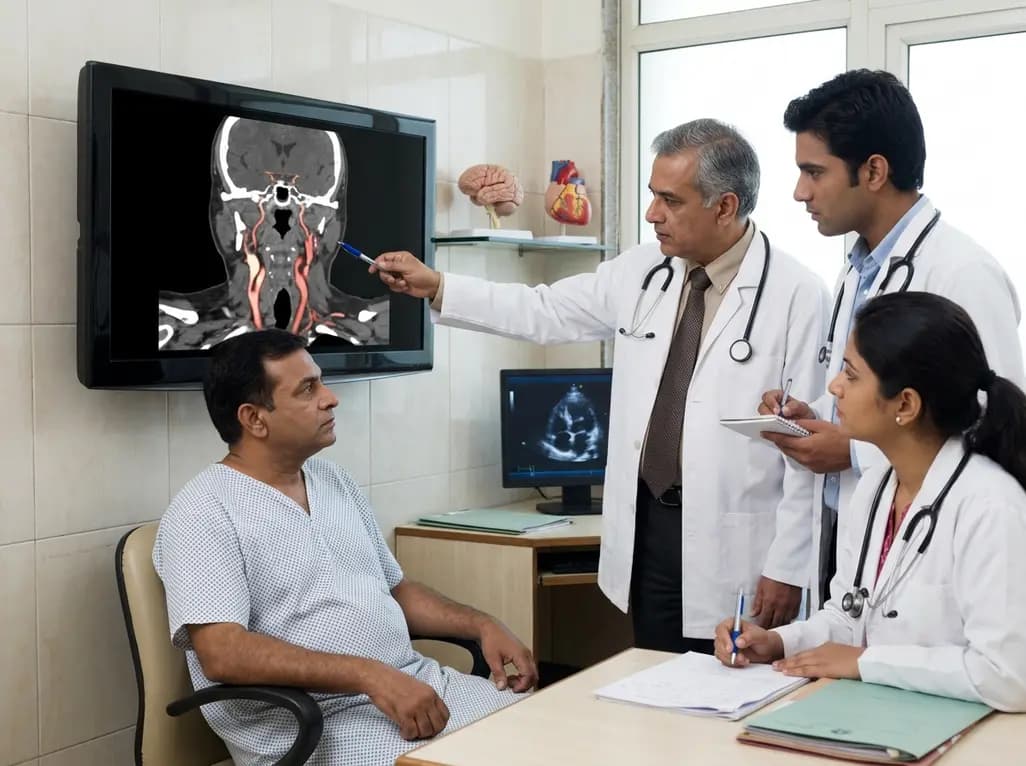
This case study examines a 56-year-old man who experienced sequential bilateral common carotid artery occlusion. Findings revealed protein C deficiency and a patent foramen ovale (PFO), suggesting paradoxical embolism as the primary cause. This highlights the need for thorough thrombophilia screening.
Recent research highlights that frailty significantly mediates the relationship between sleep duration and physical, psychological, and cognitive multimorbidity (PPC-MM). This blog explores the clinical implications and the importance of sleep hygiene for healthy aging in the middle-aged and older population.
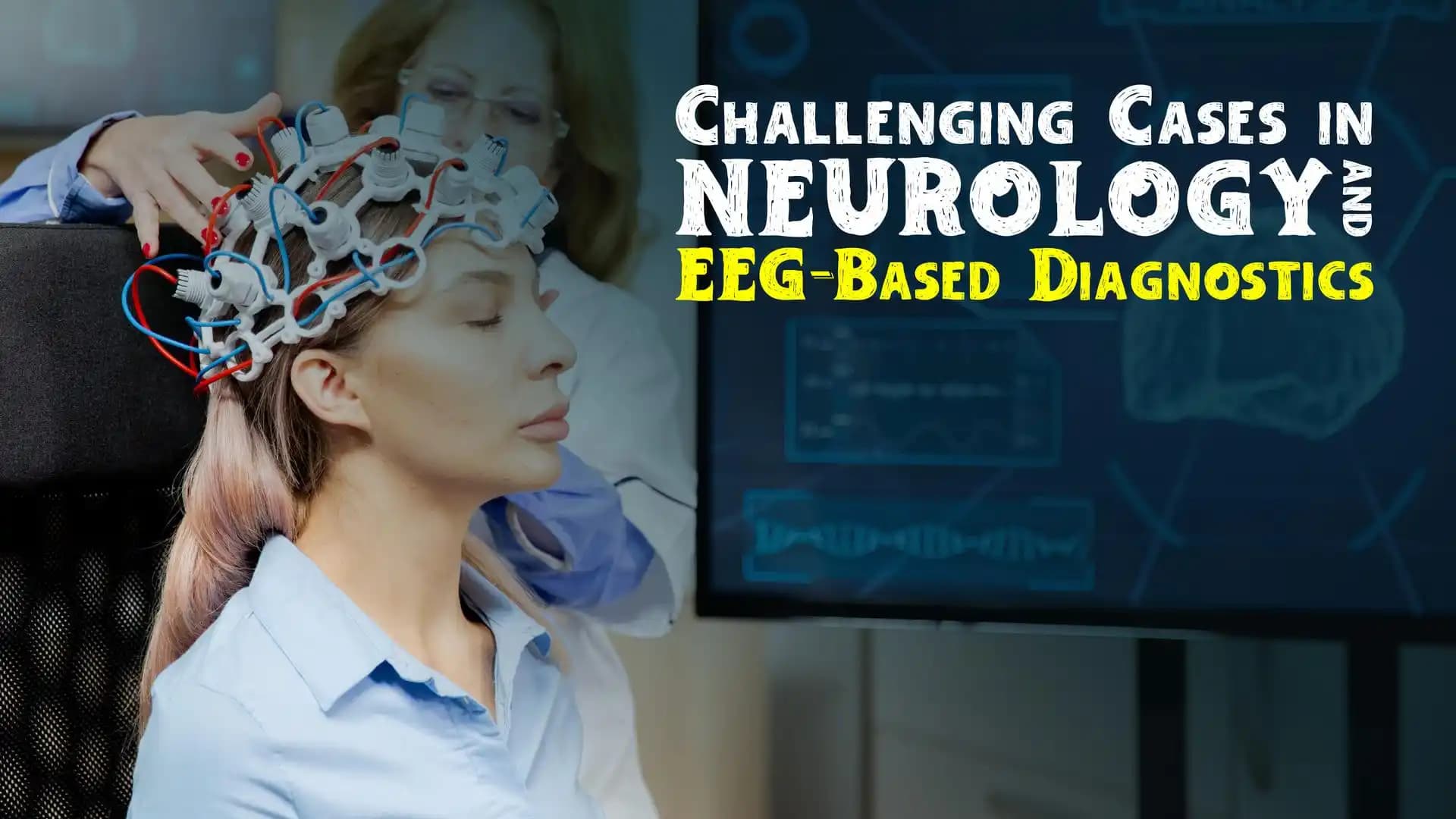
Ambulatory EEG (aEEG) is a cost-effective alternative to inpatient monitoring. This article evaluates the diagnostic yield of aEEG for interictal epileptiform discharges and seizures, identifying specific patient factors and recording durations that significantly improve diagnostic accuracy in clinical practice.