.webp&w=384&q=75)

Loading, please wait...
Loading, please wait...
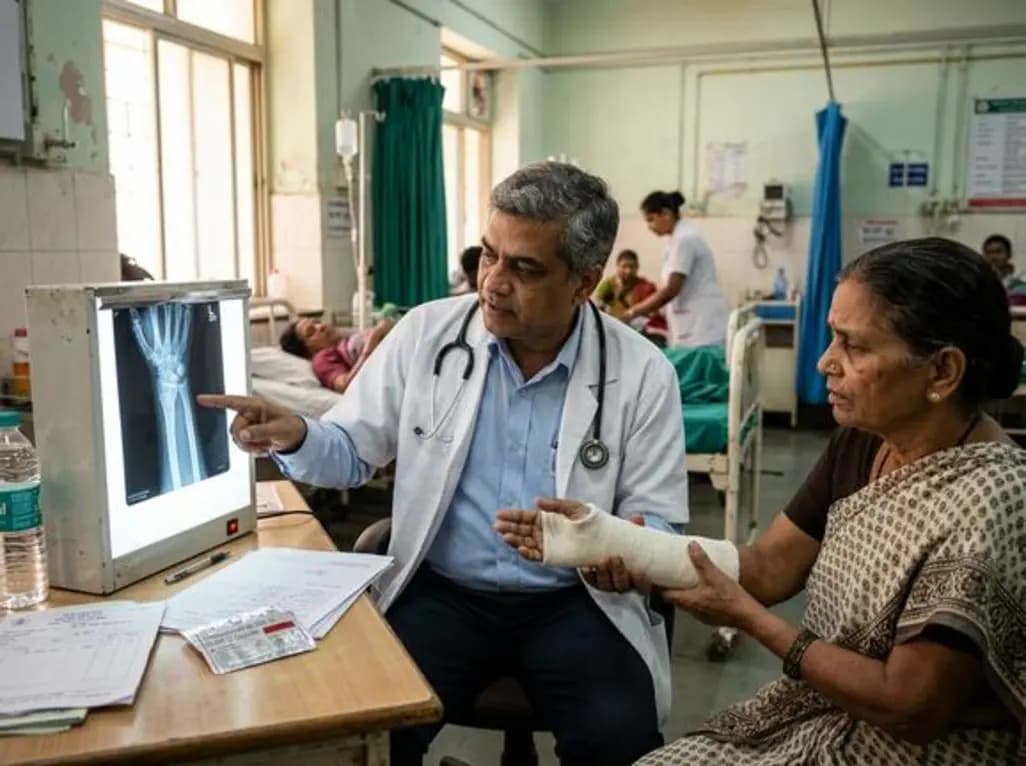
A silent crisis of Vitamin D deficiency is currently sweeping across India, severely impacting overall bone health. Consequently, this widespread deficiency increases the risk of fragility fractures. Despite living in a sun-drenched country, an overwhelming 70% to 80% of Indians suffer from inadequate Vitamin D levels. This massive deficiency affects all segments of the population, including children, active adults, postmenopausal women, and the elderly. Consequently, healthcare providers are increasingly focusing on aggressive intervention strategies to address this widespread medical concern.
Specifically, clinical research demonstrates a robust link between low Vitamin D levels and compromised bone strength. When a patient lacks this crucial vitamin, the intestines cannot absorb calcium efficiently. Consequently, this malabsorption leaves bones brittle, fragile, and prone to rapid deterioration. Over time, individuals develop osteopenia and osteoporosis, which significantly escalates the risk of sudden fragility fractures. Furthermore, Vitamin D supports optimal muscle function and physical balance. As a result, a deficiency in this nutrient impairs muscle strength, frequently causing accidental falls in older populations.
To counter severe deficiency, clinicians often recommend supervised, high-dose Vitamin D therapy. Indeed, this medical strategy rapidly replenishes depleted stores and restores normal calcium absorption. Additionally, it effectively relieves chronic bone and muscle pain. However, patients should only undergo this therapy under strict medical supervision to prevent potential toxicity. For example, clinical guidelines in India suggest a weekly dose of 60,000 IU of cholecalciferol for several weeks. Thereafter, patients continue with a monthly maintenance dose. Therefore, careful laboratory monitoring ensures safe treatment outcomes while protecting long-term skeletal health.
Additionally, healthcare professionals recommend regular screening and bone health assessments for high-risk demographics. Postmenopausal women, older adults over fifty, and individuals suffering from chronic body aches require careful evaluation. In addition, patients with a history of minor falls or chronic kidney diseases should also monitor their levels closely. Ultimately, adequate sunlight exposure, a calcium-rich diet, and targeted supplementation serve as the cornerstone of bone health in India.
Q1: Why is Vitamin D deficiency so common in India despite ample sunlight?
Urban lifestyles, indoor working environments, rising air pollution, and the consistent use of sunscreen limit the skin’s ability to synthesise Vitamin D. Additionally, sedentary habits, limited intake of fortified foods, and typical Indian attire further restrict natural synthesis.
Q2: What are the primary risks associated with prolonged Vitamin D deficiency?
Severe deficiency can lead to silent bone weakening, known as osteopenia and osteoporosis. This dramatically increases the risk of muscle weakness, balance issues, accidental falls, and fragility fractures, especially in older and postmenopausal populations.
Q3: Who should undergo routine Vitamin D evaluation and bone health assessments?
Clinical experts recommend evaluation for individuals over 50 years of age, postmenopausal women, patients with osteoporosis or a history of fractures, those suffering from persistent body aches, and individuals with chronic diseases affecting bone health.
Disclaimer: This content is for informational and educational purposes only. It does not constitute medical advice or replace professional judgment. Refer to the latest local and national guidelines for clinical practice.
References

Read summarized clinical updates, watch expert medical content, and earn CME certifications right from your smartphone.
Open your smartphone camera to scan and install.





Nearly 80% of Indians suffer from inadequate Vitamin D, causing silent bone weakening and sudden fractures. This expert guide reviews why mega-dose therapy is critical for high-risk patients, the key factors driving widespread deficiency, and the mandatory medical evaluations needed to protect skeletal health.
3 months ago

The Democratic Republic of Congo is facing a severe epidemic driven by the Bundibugyo virus, with over 3,000 confirmed cases and 1,350 deaths across five provinces. While existing Ebola vaccines target the Zaire strain, clinical trials for a new candidate from Oxford University have urgently commenced.
last month
A comprehensive analysis of the NFHS-5 data regarding postpartum anemia in India, exploring the prevalence, severity, and the socioeconomic and regional factors contributing to this public health challenge for clinicians seeking to improve maternal health outcomes.
2 months ago
A study in Greece reveals that 46-80% of heatwave deaths are linked to climate change. This analysis explores the implications for public health and clinical practice, particularly for elderly and vulnerable populations facing rising global temperatures in regions like India.
2 months ago
With World Obesity Atlas data warning that over 41 million Indian children are overweight or obese, ICMR and NIN have unveiled a 10-point policy roadmap. The initiative calls for mandatory front-of-pack labeling, HFSS taxes, strict marketing bans, and healthier school environments to curb non-communicable diseases.
last month
